
Casibom Web Design Principles: Building a High-Performance Digital Presence
In the modern digital landscape, the approach you take toward Web Design determines more than just the aesthetics of your site; it dictates your brand’s credibility and conversion potential. Whether you are launching a new platform or refreshing an existing interface, understanding the core components of user-centric design is essential. At https://cardonwebb.com, we recognize that professional design must balance form with function to meet the rigorous demands of today’s online audience.
Web Design extends far beyond picking a color palette or choosing a logo. It involves mapping out user journeys, optimizing infrastructure, and ensuring that your digital footprint remains accessible across mobile and desktop devices. For businesses seeking to establish a strong presence, a disciplined approach to layout, navigation, and visual hierarchy is the starting point for success.
Understanding the Core Principles of Effective Web Design
Effective Web Design is grounded in clarity and purpose. Users who visit a website have specific goals, and your design should act as a guide that facilitates the completion of those goals without friction. This process begins with a clean layout that minimizes distraction while highlighting essential calls to action, such as contact forms or feature sign-ups, which are critical for any growth-oriented business.
Consistency is equally vital in maintaining brand trust. By establishing a unified visual language—using standard font pairings, cohesive imagery, and predictable spacing—you reduce the cognitive load on your visitors. When a user can navigate your platform intuitively, they are far more likely to engage with your products or services, ultimately resulting in higher retention rates and better business outcomes.
Aligning Design with Your Business Needs
Before any coding begins, it is necessary to align your Web Design strategy with specific business objectives. Are you trying to drive direct sales, generate high-quality leads, or educate your audience about a complex software product? The answers to these questions should drive every architectural decision, from the placement of your navigation menu to the density of your content blocks.
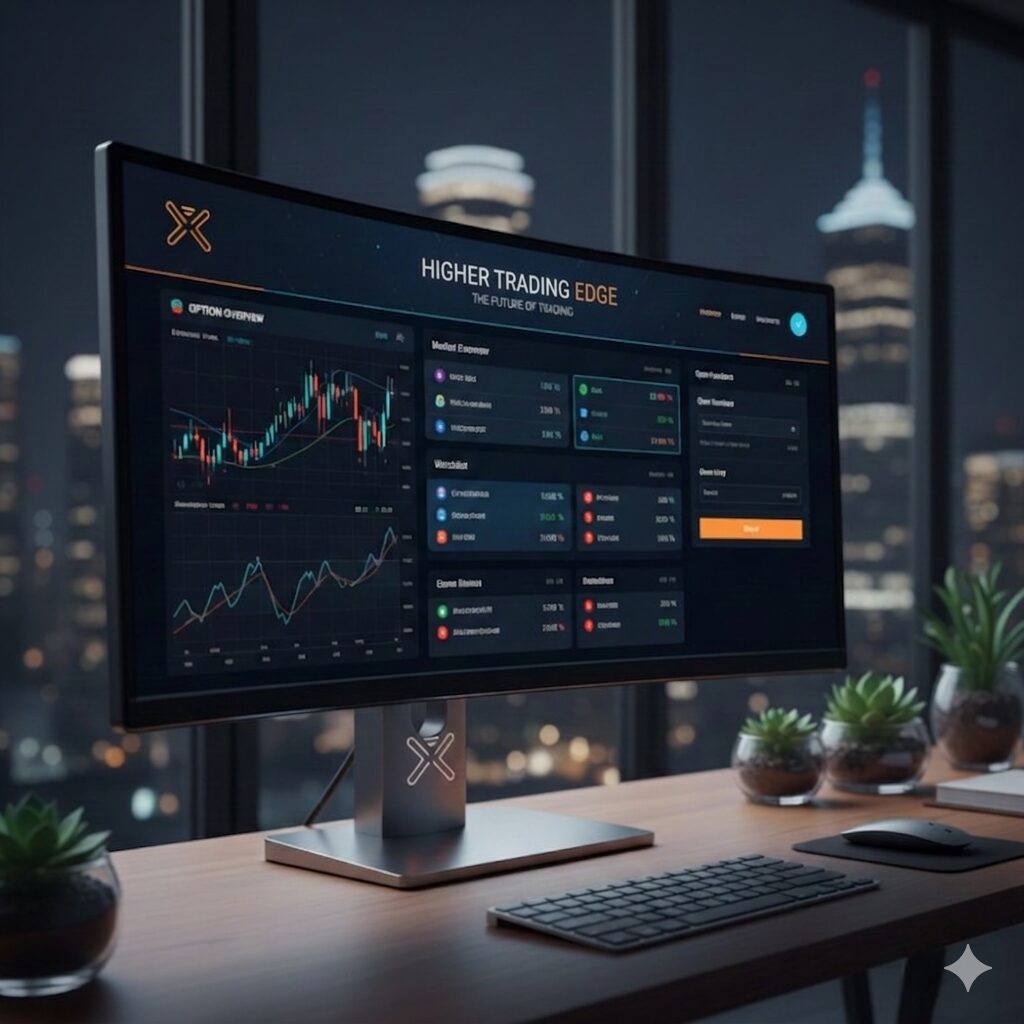
For many organizations, this means prioritizing a mobile-first philosophy. Since a vast majority of web traffic now originates from smartphones, your design must be responsive, ensuring that usability remains high even on smaller screens. High-performing platforms adapt their workflows and dashboards dynamically, providing a seamless transition from desktop analysis to on-the-go management without sacrificing functionality or aesthetic integrity.
Evaluating Essential Web Design Features
When you are building or selecting a design framework, certain features are non-negotiable for modern performance. A robust backend integration, for instance, ensures that your live data and user inputs are captured accurately, while automation tools can help streamline repetitive tasks within your site’s interface. These features keep your operations efficient and reduce the manual labor typically associated with managing digital assets.
Beyond the technical backbone, consider these core feature categories in your planning phase:
- Adaptive Navigation: Menus that shift intelligently based on user behavior and device type.
- Optimized Dashboards: Clean visual displays that prioritize key performance indicators (KPIs).
- Security Protocols: Built-in SSL and encryption standards to protect user information.
- Accessibility Compliance: Ensuring site structures meet global standards for inclusive design.
The Role of Reliability and Security
Security is no longer an optional add-on in Web Design; it is the foundation of digital operations. Users today are increasingly savvy about where they input personal data, and a design that looks insecure or lacks visible trust signals can cause immediate departures. Reliable design involves choosing hosting architecture that provides consistent uptime and integrating security plugins that mitigate the risks of unauthorized access.
Reliability also refers to the longevity of your design. Can your platform scale as your business grows? A well-planned architecture account for high traffic volumes and increased data processing needs. By focusing on scalable infrastructure, you avoid the need for costly site overhauls just a few years down the line, ensuring that your investment provides long-term value for your operations.
Comparing Custom Development vs. Platform-Based Design
When determining the best path forward, many project stakeholders struggle to choose between custom-coded solutions and pre-built platforms. Custom development offers unparalleled flexibility and specific alignment with your unique brand identity, but it requires a larger initial time investment. Conversely, platform-based Web Design can accelerate your time-to-market and often includes built-in support for integrations.
| Feature | Custom Development | Platform-Based |
|---|---|---|
| Scalability | High (Infinite control) | Moderate (Template dependent) |
| Integration | Tailored API connections | Marketplace plugins/apps |
| Maintenance | Requires dedicated team | Automated updates/support |
| Initial Cost | Higher | Lower |
Optimizing Workflow and Automation
A sophisticated Web Design strategy integrates your site into your wider business workflow. For instance, if your site serves as a lead generation tool, it should communicate directly with your CRM. Automation is the missing piece for many businesses; by setting up auto-responders, data-syncing processes, and real-time alerts, you ensure that your design works to capture and process leads while you focus on sales and growth.
Efficiency in design reduces the bottleneck between attracting a visitor and converting them into a loyal customer. By minimizing the number of clicks required to reach a specific outcome, you satisfy the user’s desire for quick information and increase the probability of successful interaction. Always review your analytics to identify where users are dropping off and refine those sections of your design to better support their journey.
Conclusion: Setting the Stage for Long-Term Success
Investing in thoughtful Web Design is one of the most effective ways to ensure your business remains competitive, secure, and user-friendly. By prioritizing clarity, responsiveness, and seamless technical integration, you set yourself up to convert visitors into long-term clients. As you embark on your design journey, keep the end-user’s needs at the center of your decision-making, and do not hesitate to revisit your site’s structure as your business needs evolve.
Ultimately, a successful digital presence is dynamic rather than static. Regular audits, coupled with a commitment to high-quality design standards, will keep your brand relevant and accessible. Whether starting from scratch or optimizing what you have, the principles shared here form the groundwork for a professional, scalable, and highly functional web ecosystem.